 By Audrey Hayes
Updated November 2026
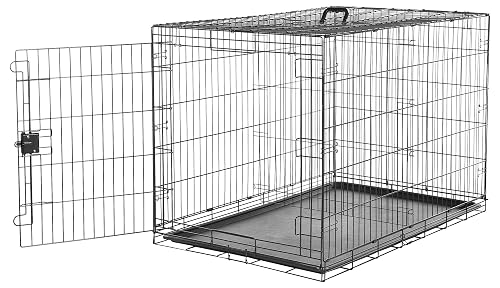
A diggs evolv dog crate works best when it fits your dog correctly, sits in a good spot in your home and is introduced in small, positive steps. This guide walks you through measuring your dog, setting up the crate and starting training so your dog sees it as a safe place rather than a punishment.
Step 1: Measure Your Dog for the Right Size
Measure your dog from the tip of the nose to the base of the tail for length, and from the floor to the top of the head while your dog is standing naturally for height. Most crate makers recommend that the crate be long enough for your dog to stand up, turn around and lie down stretched out, while staying compact enough that your dog cannot use one end as a bathroom. Check the manufacturer’s size chart against these numbers rather than relying on breed averages, since two dogs of the same breed can differ a lot in build.
Shopping for one? See our guide: Diggs Groov Crate Training Dog Aid (2026): Which Should You Choose?.
If your puppy is still growing, you can buy for the adult size and use a divider panel to block off the extra space until your puppy grows into it. Puppies that are given too much room early on may start soiling one corner.
Step 2: Set Up the Crate in the Right Spot
Place the crate in a room where your family spends time, such as a living room or kitchen corner. Dogs are social, and a crate tucked away in a lonely basement can make the crate feel like isolation. Keep it away from heating vents, direct sun and drafts. Add a dog bed or a crate pad sized to the floor, and make sure any bedding is not chewable or loose enough to become a hazard. If you are looking at padding options, Waterproof Dog Crate Pad: How to Choose, Fit and Keep It Dry covers what to look for.
Step 3: Introduce the Crate with Positive Training
Start with the door open and leave a few high-value treats or a stuffed chew just inside the entrance. Let your dog go in and out freely for several sessions before you close the door at all. When you do close it, start with a few seconds while you are sitting nearby, then build up gradually over days or weeks. Never use the crate as a timeout for something your dog did earlier, because that link teaches fear instead of comfort.
For a broader picture of why this matters, What Is Crate Training for Dogs? A Simple Guide for New Owners explains the goals, and When to Start Crate Training a Dog: A Step-by-Step Guide for Beginners covers timing for puppies.
Crate Training Checklist
- Measure your dog’s length and height, then compare to the size chart.
- Choose a quiet but social spot away from drafts and direct sun.
- Add a bed or pad that fits the floor and is not chewable.
- Leave the door open and place treats inside for several days.
- Close the door for short periods only while you stay in the room.
- Increase time gradually and never use the crate for punishment.
- Provide water, exercise and bathroom breaks before longer closures.
Common Mistakes to Avoid
- Buying a crate that is too large, which can make house training harder.
- Rushing the process by closing the door too soon or for too long.
- Leaving a young puppy crated for hours without a bathroom break.
- Using the crate only when you leave, so your dog links it with being alone.
- Ignoring signs of distress such as persistent whining or frantic scratching.
Recommended Gear
- Dog crate pad: A fitted pad makes the floor more comfortable and easier to clean. View on Amazon
- Crate divider panel: Useful for growing puppies so the crate size can stay correct over time. View on Amazon
- Chew toys for crate time: Durable chews help keep your dog occupied during rest periods. View on Amazon
FAQ
How long can my dog stay in a diggs evolv dog crate?
Adult dogs that are well trained can usually rest in a crate for several hours, but puppies need frequent bathroom breaks and shorter stays. Check with your veterinarian for guidance specific to your dog’s age and health.
Should I put water in the crate?
For most dogs, a water bowl can be placed in the crate for longer stays, but spill-resistant options help keep the floor dry. Remove water in the hour before bedtime for young puppies if they have bathroom accidents.
What if my dog cries when I close the door?
Go back to the earlier step where the door stayed open and build up more slowly. Brief whining often fades with consistent practice, but persistent distress is worth discussing with a veterinarian or certified trainer.
Conclusion
A well-sized diggs evolv dog crate, placed in a shared living space and introduced with patience, can become a restful spot your dog chooses on its own. Measure carefully, go slowly and keep every experience positive. Consult a veterinarian or professional trainer if your dog shows ongoing anxiety or health concerns.
Related reading
- Diggs Revol Dog Crate: Setup, Sizing and Training Tips for New Owners
- XL Dog Training Crate: How to Choose and Set Up the Right One
Ready to choose one?
About Audrey Hayes
Audrey Hayes is part of our editorial team and reviews and edits our dogs & puppies guides, checking product details against manufacturer specifications and owner feedback.