 By Audrey Hayes
Updated November 2026
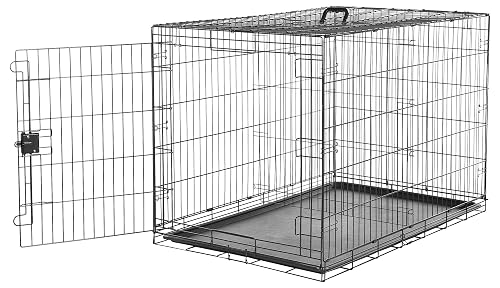
Plastic dog crate trays are the removable floor pans that sit inside a crate’s base and catch bedding, accidents, drool and loose hair. This guide walks you through choosing a plastic tray that fits your crate, installing it so it stays put, and keeping it clean so your dog’s space stays comfortable. By the end, you will know how to measure, what materials to prefer, and how to avoid the mistakes that make trays slide, crack or hold odors.
What a Plastic Dog Crate Tray Does
A plastic tray gives a crate a waterproof, wipeable floor. Most wire and many plastic crates come with a removable pan, but owners often replace it when the original gets bent, rusted or too shallow. A tray can also make a crate easier to keep clean during house training, when accidents are more common, and it protects the crate floor from scratches and stains.
Trays are sold in two general styles. Some are simple flat pans with raised edges. Others are molded to match a specific crate model, with clips, ridges or cutouts for the crate’s wire frame. Universal trays are sized to a standard footprint, while model-specific trays fit a particular brand’s crate. The fit matters more than the brand, so start with measurements.
Step 1: Measure Your Crate Before You Shop
Measuring first prevents the most common problem with plastic dog crate trays: a pan that is too large to seat, or too small to cover the floor. Take these measurements with a tape measure, and record them in inches.
- Measure the inside length of the crate floor, from the back wall to the front door frame, at the floor level.
- Measure the inside width, from side wall to side wall.
- Measure the height of the crate’s base rails or the lip where the tray rests, if the crate has one.
- Check whether the crate has a plastic base that the tray slides into, or wire feet and a metal frame that the tray sits on top of.
- Look up the crate’s listed interior dimensions in the manufacturer’s specifications, and compare them with your measurements.
Measure the crate’s footprint, not the outside dimensions, because the outside includes the wire or wall thickness. If you are still choosing the right crate size, see XL Dog Crate Measurements: How to Size Your Crate Correctly for a sizing method you can apply to any crate.
Step 2: Choose the Right Tray Type
Once you know the size, decide which style fits your setup. Each option has trade-offs.
| Tray type | Best for | Watch for |
|---|---|---|
| Model-specific molded tray | Owners who want a snug, stable fit | Only works with that crate brand and size |
| Universal flat pan | Crates with a standard, open floor | May slide if the floor has no lip or clips |
| Deep-sided tray | Puppies, heavy chewers, or messy eaters | Less room inside the crate, and harder to lift |
| Textured-bottom tray | Dogs who tend to slip on smooth surfaces | Harder to wipe clean in the grooves |
Ask yourself a few questions before buying. Is the dog still house training? A raised lip helps contain accidents. Does the dog chew plastic? A thicker, harder plastic is less likely to be gnawed into pieces. Does the crate move often? A tray that clips in place is easier to keep stable during travel.
Step 3: Check Material and Build Quality
Most trays are made from polypropylene or high-density polyethylene, both common food-safe-grade plastics used for storage containers. Manufacturers of many crate trays specify their material, so check the listing for a clear statement. Look for:
- A rigid base that does not flex when you press the center
- Smooth, sealed corners without sharp edges or gaps where liquid can collect
- Non-slip feet or a textured underside to reduce sliding on hard floors
- Drainage features, if you plan to hose the tray out in a garage or yard
Plastic trays that feel thin or flexible often crack under a dog’s weight, especially when the crate is placed on an uneven floor. Thicker walls usually last longer, even though the tray will be heavier to lift.
Step 4: Install the Tray So It Stays in Place
A tray that shifts can leave gaps where urine seeps underneath, and a dog may push it around while trying to get comfortable. Follow these steps when you install a new tray.
- Remove the old pan and clean the crate floor and rails before fitting the new tray.
- Set the tray into the crate and check that it sits flat, with no corners lifting.
- Confirm that the tray does not press against the door track or latch, which can cause a dog to get stuck or scrape its paws.
- If the tray has clips or tabs, attach them to the crate frame according to the manufacturer’s instructions.
- Place a non-slip mat or a thin bedding layer on top, so the dog does not slide when it turns around.
- Let the dog walk on the tray for a few minutes while you watch, and adjust if it shifts or tips.
Avoid tucking absorbent pads or towels under the tray. They trap moisture against the crate floor and can make odors worse.
Step 5: Clean and Maintain Your Tray
A plastic tray is easy to clean, but only if you do it regularly. A simple routine:
- Remove loose bedding and debris daily, and shake out or vacuum the bed cover.
- Wipe the tray with warm water and a mild dish soap after any accident or messy meal.
- Do a full wash once a week, scrubbing the corners and under the lip where residue collects.
- Rinse thoroughly, then dry completely before putting the tray back, since damp plastic can hold smells and encourage mildew.
- Inspect the tray monthly for cracks, warped edges or chew marks, and replace it if the damage is more than cosmetic.
Avoid harsh bleach-based cleaners on plastic that will sit next to your dog, and always rinse them off fully. Many owners report that a mild enzymatic cleaner works well for urine odor. If your dog has frequent accidents, a change in urination habits can signal a medical issue, so check with your veterinarian.
Common Mistakes With Plastic Dog Crate Trays
- Buying by crate brand name alone. A tray marketed for one crate line may not fit a different model with the same name. Always compare listed dimensions.
- Choosing the cheapest thin pan. Flexing plastic cracks, traps moisture and can make cleanup harder over time.
- Leaving the tray slightly loose. Gaps let liquid reach the crate floor. Test the fit before you add bedding.
- Skipping the drying step. Wet plastic under bedding is a common source of persistent odor.
- Using a tray that is too shallow for a puppy. Young dogs and new house-trained dogs often need a raised lip to contain accidents.
- Ignoring chew damage. Chewed edges can split and create sharp pieces, so replace a damaged tray rather than patching it.
Tips for Using Plastic Dog Crate Trays During Training
During crate training, the tray is part of the routine, not just a cleaning accessory. Keep the bedding simple at first, and use a washable cover. Place a treat or chew toy in the crate so your dog learns to settle rather than tear at the bed. If you are unsure how long your dog should spend in the crate, see When Crate Training How Many Hours a Day Is Right for Your Dog for a guide on daily time limits.
If your dog is still learning house training, pay attention to how often the tray gets wet. A tray that is soiled every time you return home may mean the dog is spending too long in the crate, or that the crate is too large and the dog is using one end as a bathroom. A crate that is the right size gives the dog enough room to lie down and stand, but not so much that a corner becomes a toilet.
For a broader look at crate options, including wire and soft designs, you can compare styles in Dog Crate Types Compared: Wire, Plastic, Soft, Heavy-Duty.
Recommended gear
These products are commonly used with crate trays and can make setup and cleanup easier.
- Replacement crate pan for wire crates. A model-specific replacement pan is the simplest way to restore a crate floor when the original has rusted or warped. Match the model number to your crate. View on Amazon
- Non-slip crate mat. A rubber-backed mat on top of the tray keeps a dog from sliding when it stands up or turns around. Choose one cut to your tray’s footprint. View on Amazon
- Enzymatic pet odor cleaner. Enzyme-based cleaners break down urine and feces residue, which can help reduce lingering odor on plastic trays. Test on a small area first. View on Amazon
- Washable crate bed cover. A removable cover lets you wash bedding separately from the tray, so the tray can dry fully while the bed is in the machine. View on Amazon
FAQ
Can I use a plastic dog crate tray in any crate?
Not always. Trays are usually made for a specific size and style. Measure your crate’s interior floor and compare it with the tray’s listed dimensions. Universal pans can work, but they may need clips or a non-slip mat to stay in place.
How do I stop a plastic tray from sliding?
Choose a tray with a textured bottom or built-in clips, and place a non-slip mat on top. Check that the tray sits flat against the crate floor and does not press against the door track.
Is a plastic crate tray safe for puppies who chew?
A thick, rigid tray is less likely to crack, but any plastic can be chewed. Inspect the tray often, and replace it if you find sharp edges, cracks or missing pieces. Supervise chewing and provide approved chew toys to reduce damage.
How often should I clean the tray?
Remove debris daily and wipe the tray after any accident. Do a full wash with mild soap and water once a week, and rinse and dry it completely before reinserting it.
Will a plastic tray stop odor from urine?
A smooth, sealed tray is easier to clean than a porous surface, which helps. Persistent odor often comes from residue in corners or under the lip, so scrub those areas and consider an enzyme-based cleaner. Persistent odor can also point to a medical issue, so mention frequent accidents to your veterinarian.
Should I put bedding on top of the tray?
Yes, if your dog likes a soft surface, but use a washable pad or cover that is easy to remove. Avoid placing absorbent material under the tray, because it can trap moisture against the crate floor.
How do I know when to replace a crate tray?
Replace the tray if it is cracked, warped, rusted, or chewed to the point of sharp edges. A tray that no longer sits flat or leaves gaps should also be replaced, since liquid can reach the crate floor.
Do plastic trays work for travel crates?
They can, especially if the tray clips in or has raised edges to contain spills. Secure the tray before travel and check that it stays flat during car trips. For travel-focused options, see Plastic Crate for Dog: 6 Best Picks for Home and Travel (2026).
Conclusion
A well-fitted plastic dog crate tray keeps the crate floor dry, makes cleanup faster and protects the crate from long-term damage. Measure first, choose a tray that matches your crate and your dog’s habits, and install it so it stays flat. A simple daily and weekly cleaning routine will keep it working well through house training and beyond. Consult your veterinarian if your dog has frequent accidents or signs of skin irritation.
Related reading
Ready to choose one?
About Audrey Hayes
Audrey Hayes is part of our editorial team and reviews and edits our dogs & puppies guides, checking product details against manufacturer specifications and owner feedback.