By Caleb Morgan
Updated November 2026
If you are looking for the best crate training tips, you probably want more than a vague instruction to “make the crate a happy place.” You want a step-by-step approach you can start tonight, a way to tell whether it is working, and a clear sense of which resource or tool is worth your time. This guide narrows the field to three options that cover the main needs of new puppy owners: a complete training guide, a focused tips book, and a crate accessory that supports a calm crate routine. Each pick was assessed against the criteria below, based on product specifications, publisher and brand reputation, and patterns in owner feedback. None of these were tested by us in person.
Our Selection Criteria
Our top picks at a glance
- 1
 TOP CHOICEBest overallHow to Crate-Train a Puppy: The Ultimate Guide: Hand-on tips and advicView on Amazon
- 2
 Best for quick, practical tipsCrate Training Puppies Tips: Simple Tips to Crate Training PuppiesView on Amazon
- 3
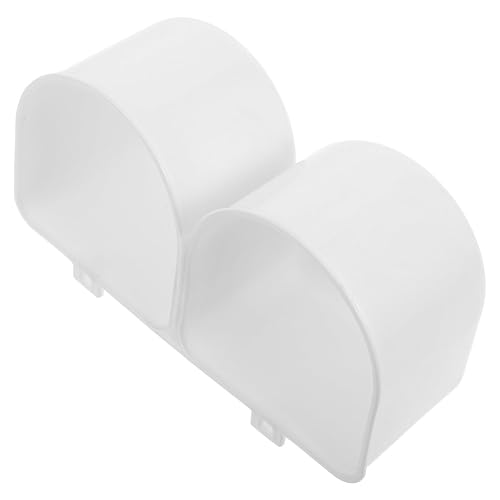 Best for crate setup and feedingNon-tip Mounting, Space-Saving Design, White Finish, for Carrier TraveView on Amazon
To narrow the list, we looked at four things. First, whether the resource or product gives concrete, sequenced steps rather than general encouragement. Second, whether it addresses the puppy stage specifically, since crate training a puppy differs from crate training an adult dog. Third, the reputation of the author, publisher or brand and how consistently owners describe the material as useful. Fourth, whether the product or guide fits into a realistic home routine without requiring special equipment or unusual space.
Our Top Picks
Quick Comparison
| Product | Best for | Key feature |
|---|---|---|
| How to Crate-Train a Puppy: The Ultimate Guide | Owners who want a full, structured program | Advice drawn from ten dog trainers |
| Crate Training Puppies Tips | Owners who want a short, focused read | Simple, step-by-step tips |
| Non-tip Mounting Hanging Pet Water Bowl for Crates | Owners who want to keep water available without spills | Non-tip mounting design for crates |
How to Crate-Train a Puppy: The Ultimate Guide: Hand-on tips and advice from 10 dog trainers (Puppy Training: The New Method Book 2)
How to Crate-Train a Puppy: The Ultimate Guide: Hand-on tips and advice from 10 dog trainers (Puppy Training: The New Method Book 2)
Best for: Best overall for owners who want a complete, structured crate training plan.
This book suits first-time puppy owners who want a full program covering introduction, daytime confinement, nighttime routines and gradual increases in alone time. Because it draws on advice from several trainers, readers often find it useful for comparing approaches and building a plan that fits their household.
Key specs:
- Format: book, aimed at puppy owners
- Subject: crate training a puppy using a step-by-step method
- Series: part of the Puppy Training: The New Method series
Pros:
- Covers the full arc of crate training rather than only the first night
- Includes advice from multiple trainers, giving more than one perspective
- Works well alongside a written schedule for feeding and potty breaks
Cons:
- Longer than a quick tips list, so it takes more time to read
- Written guidance still needs to be adapted to your puppy’s temperament
Bottom line: Choose this if you want one reference that walks you through the whole process from start to finish.
Crate Training Puppies Tips: Simple Tips to Crate Training Puppies
Crate Training Puppies Tips: Simple Tips to Crate Training Puppies
Best for: Best budget pick for owners who want a short, practical read.
This title is aimed at owners who already understand why crate training matters and want concise, actionable tips they can apply right away. It is a good match for busy households or for owners who want a quick refresher before bringing a puppy home.
Key specs:
- Format: short guide focused on puppy crate training tips
- Subject: practical, simple steps for crate training puppies
Pros:
- Quick to read, so the advice is easy to put into practice
- Focused on the puppy stage rather than adult dogs
- Useful as a checklist alongside a broader program
Cons:
- Less depth than a full training guide on troubleshooting
- Owners with complex behavior issues may need more detailed support
Bottom line: A sensible choice if you want straightforward tips and already plan to follow a broader training routine.
Non-tip Mounting, Space-Saving Design, White Finish, for Carrier Travel, Home Crate Training, Shelters and Kennels Hanging PET Water Bowl for Crates, ABS Feeder for Kittens Birds
Non-tip Mounting, Space-Saving Design, White Finish, for Carrier Travel, Home Crate Training, Shelters and Kennels Hanging PET Water Bowl for Crates, ABS Feeder for Kittens Birds
Best for: Best for crate setup and keeping water available without spills.
This hanging water bowl is designed to attach to the crate wall rather than sit on the floor. It suits owners who want a tidy crate setup and who expect a puppy to knock over a standard bowl. It is also marketed for carriers and kennels, so it can be useful for travel days.
Key specs:
- Mounting: non-tip design intended for crate and carrier walls
- Material: ABS plastic, per the listing
- Finish: white
Pros:
- Keeps the floor dry and reduces spills during crate time
- Space-saving design suits smaller crates
- Usable for home crate training and for travel carriers
Cons:
- Mounting depends on the crate wall design, so check fit before buying
- Water access still needs monitoring so the puppy stays hydrated but does not overdrink during training
Bottom line: Best for owners who want a spill-free water solution inside the crate and who have a crate with compatible walls.
Buying Guide
Training Approach and Structure
Look for a resource that gives a sequence: introduce the crate with food and calm praise, then build duration while you are in the room, then add distance and time alone. Good guides explain what to do when a puppy whines, and how long to wait before letting them out. Vague advice such as “be patient” is not enough on its own.
Good picks for this: How to Crate-Train a Puppy: The Ultimate Guide, Crate Training Puppies Tips
Puppy-Specific Guidance
Puppies have small bladders and limited sleep cycles. Content aimed at the puppy stage will address potty breaks, overnight schedules and how often to take the puppy out. Advice written for adult dogs may not account for these needs.
Good picks for this: Crate Training Puppies Tips, How to Crate-Train a Puppy: The Ultimate Guide
Crate Setup and Fit
Check that the crate is large enough for the puppy to stand, turn around and lie down, but not so large that they can soil one end and sleep in the other. Many manufacturers recommend sizing for the adult dog’s expected size and using a divider for puppies. Accessories should fit the crate’s wall thickness and door design.
Good picks for this: Non-tip Mounting Hanging Pet Water Bowl for Crates
Water and Feeding Access
A spill-resistant water source reduces wet bedding and makes it easier to keep the crate clean. Check whether the bowl mounts securely, whether it can be reached by the puppy when they are standing, and whether it is easy to remove for cleaning.
Good picks for this: Non-tip Mounting Hanging Pet Water Bowl for Crates
Durability and Materials
Plastic components should be sturdy enough to resist chewing and should be dishwasher- or easily hand-washable if the listing says so. For books, a clear table of contents and a physical or digital format that suits your reading habits will make it easier to return to the material during training.
Good picks for this: Non-tip Mounting Hanging Pet Water Bowl for Crates, How to Crate-Train a Puppy: The Ultimate Guide
Cleaning and Care
Choose products that can be cleaned without disassembly where possible. A bowl that detaches easily will be cleaned more often, which helps prevent bacteria and odor buildup in the crate.
Good picks for this: Non-tip Mounting Hanging Pet Water Bowl for Crates
Use Case: Home, Travel or Both
If you plan to use the crate for travel as well as at home, look for accessories that work in different settings. A mounting system that suits both a crate and a carrier can save you from buying twice.
Good picks for this: Non-tip Mounting Hanging Pet Water Bowl for Crates
FAQ
How long should a puppy stay in a crate during the day?
Most guidance suggests that puppies should not be crated for long periods during the day, and young puppies need regular potty breaks. Many trainers recommend limiting crate time to shorter blocks and adding breaks, play and supervised time in between. A veterinarian or certified trainer can help you set a schedule for your specific puppy.
Should I crate my puppy at night?
Many owners use the crate overnight because it supports sleep and house training. Start with the crate close to your bed so the puppy can hear you, and keep the area quiet and dark. Take the puppy out for a potty break before bed and when they wake.
What if my puppy cries in the crate?
Crying can be a normal early response. Avoid letting the puppy out while they are crying, since this can teach them that crying opens the door. Once they are quiet, you can open the door. Shorten the time in the crate and build up gradually if crying continues.
Is a water bowl needed inside the crate?
Puppies generally need access to water, but whether to leave water in the crate depends on the age of the puppy and how often they are taken out. Many owners offer water before crating and remove it during the longest stretches. Ask your veterinarian for guidance on water access for your puppy’s age and health.
How do I know if crate training is working?
Signs of progress include a puppy who settles within a few minutes of being crated, sleeps through the night with fewer accidents, and enters the crate on their own. If your puppy shows panic, self-injury or constant distress, consult a veterinarian or a certified professional trainer.
Can I use these tips for an adult dog?
Many principles apply to adult dogs too, but adult dogs may need a different pace and may have different reasons for distress. If an adult dog is struggling with crate training, seek help from a qualified trainer or behaviorist.
Conclusion
For a complete plan, How to Crate-Train a Puppy: The Ultimate Guide is the most thorough choice among these three. If you want quick, focused tips to start right away, Crate Training Puppies Tips is a practical companion. For crate setup and a spill-resistant water solution, the Non-tip Mounting Hanging Pet Water Bowl for Crates fits owners who have a compatible crate and want a tidier space. Many owners combine a guide with a small set of accessories, and the best crate training tips work most reliably when they are applied consistently every day. For more background, see 8 Best Crate Training Tips: 8 Expert Picks for Every Puppy (2026), What Age to Start Crate Training a Puppy: Expert Guide and Top Picks, Why Is Crate Training Important for Puppies? Benefits and How-To and Veterinary Partner Crate Training: How to Do It Right.
Sources
- Guidance on puppy care, house training and crate use from a dog breed and training organization (akc.org)
- Consumer safety information on pet products and crate-related hazards (cpsc.gov)
- Veterinary association information on puppy health, behavior and care (avma.org)
Related reading
- Vibrant Life One Door Dog Training Crate: 5 Best Picks Compared (2026)
- Vibrant Life Dog Training Crate: 6 Best Picks for Crate Training (2026)
- Dog Beds for Crate Training: 6 Best Picks for Every Need (2026)
About Caleb Morgan
Caleb Morgan is part of our editorial team and reviews and edits our dogs & puppies guides, checking product details against manufacturer specifications and owner feedback.