 By Owen Palmer
Updated November 2026
A dog bed at PetSmart is an easy place to start, because the store carries a range of sizes, shapes and materials in one spot. This guide walks you through measuring your dog, matching the bed to how your dog actually sleeps, and checking a few details before you pay. By the end, you will know which bed to look for on the shelf or the website.
Step 1: Measure your dog before you shop
Size is the most common reason a new bed goes unused. Measure your dog while they are lying in their usual sleeping position, since a curled-up dog and a stretched-out dog need very different bed sizes.
Shopping for one? See our guide: Dog Beds for Crate Training: 6 Best Picks for Every Need (2026).
- Length: Measure from the base of the neck to the base of the tail, then add 6 to 8 inches.
- Width: Measure at the widest point of the body, usually the chest or hips, and add 4 to 6 inches.
- Weight: Use it as a backup check, not the main measurement. Two dogs of the same weight can need very different bed sizes.
If your dog sleeps stretched out on their side, lean toward the longer measurement. For a deeper look at sizing, see X L Dog Bed: What Size Do You Need and How to Choose? (2026).
Step 2: Pick a style that fits your dog’s sleeping habits
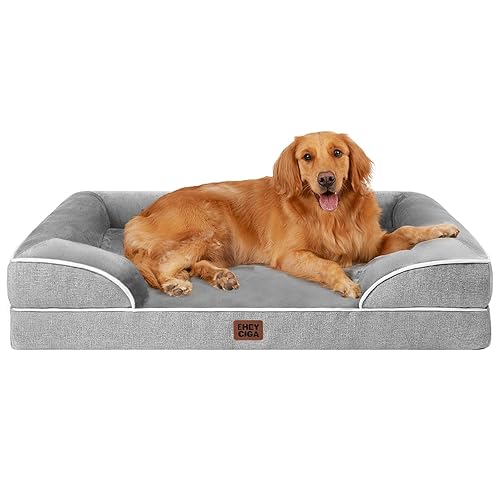
Dogs sleep in different ways, and the bed shape should match. Round or bolster-style beds suit dogs who curl up tightly and like something to lean against. Rectangular or flat beds suit dogs who stretch out and change positions often. Elevated cots work well in warm homes because air flows underneath.
For dogs with stiff joints or older dogs, consider a thicker, supportive base. The comparison in Orthopedic Foam Bed Dog vs Standard Foam: Which Is Better? (2026) explains when the extra cushioning is worth it.
Step 3: Choose materials for your home and your dog
The fill and cover determine how comfortable the bed stays and how easy it is to clean. Keep these points in mind:
- Removable, machine-washable covers make a big difference if your dog sheds or has accidents.
- Polyfill is soft and affordable, but it flattens faster than foam.
- Memory foam holds its shape and spreads pressure, which helps dogs who lie down on hard surfaces for long stretches.
- Water-resistant covers are useful for muddy paws or puppies still learning house manners.
If your dog chews, choose a bed with a sturdy, stitched cover and check the seams regularly.
Step 4: Check the bed before you bring it home
Before you buy, look at a few practical details:
- Confirm the bed fits the spot where it will go, including door clearance and walkways.
- Check that the cover zips or fastens securely.
- Read the care label so you know whether you can machine wash it or need to spot clean.
- Plan to introduce the bed gradually by placing a familiar blanket on it and rewarding your dog for resting there.
Common mistakes to avoid
- Buying a bed that is too small because the dog looks cute in a tight space. Dogs need room to shift position.
- Choosing a bed based only on appearance and ignoring cover removability.
- Putting a new bed in a drafty or high-traffic corner, which dogs often avoid.
- Expecting a dog to adopt a new bed immediately. Most need several days to a couple of weeks.
- Skipping the measurement step and trusting a size label alone.
Recommended gear
- Dog bed with removable cover: A removable, washable cover keeps hair and dirt manageable, so you can clean the bed without replacing it. View on Amazon
- Orthopedic memory foam dog bed: Supportive foam helps dogs who rest on hard floors or have stiff joints. View on Amazon
- Elevated pet cot: Raised beds let air circulate, which many dogs find cooler in warm weather. View on Amazon
FAQ
Can I return a dog bed I bought at PetSmart if my dog does not use it?
Return policies vary, so check PetSmart’s current return terms before you buy. Keep the receipt and the tags attached until your dog has had a fair trial.
How often should I wash a dog bed?
Wash the cover every one to two weeks for an average dog, and more often if your dog is muddy, sheds heavily or has accidents. Follow the care label to avoid shrinking or damaging the fill.
Is an elevated bed better than a floor bed?
Neither is better for every dog. Elevated beds suit warm homes and dogs who like airflow, while floor beds suit dogs who prefer to be close to the ground. If your dog has joint problems or mobility issues, consult your veterinarian about the best bed height.
Conclusion
Measure your dog in their natural sleeping position, then match the bed shape and fill to how they rest. Prioritize a washable cover and a secure fit, and give your dog time to adjust. A bed chosen this way is far more likely to become your dog’s favorite spot.
Related reading
Ready to choose one?
About Owen Palmer
Owen Palmer is part of our editorial team and reviews and edits our dogs & puppies guides, checking product details against manufacturer specifications and owner feedback.