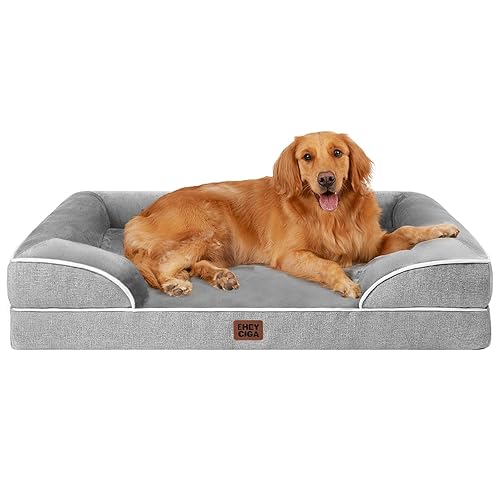
 By Owen Palmer
Updated November 2026
A good dog bed for vehicle use gives your dog a stable, comfortable spot to rest on road trips, errands and long drives. In this guide you will learn how to measure your car’s cargo area, choose a material that handles dirt and moisture, secure the bed so it does not slide, and set it up so your dog settles in quickly. By the end you will have a clear checklist for picking and installing a bed that fits your vehicle and your dog’s habits.
Why a Dedicated Dog Bed for Vehicle Travel Matters
Many dogs ride on a bare cargo floor, a folded blanket or a seat that was never designed to hold them. A purpose-built bed does three things well. It keeps your dog off hard, vibrating surfaces. It contains shedding, drool and mud so the rest of the car stays cleaner. And it gives many dogs a familiar scent and spot that helps them relax, which can make travel calmer for both of you.
Shopping for one? See our guide: Dog Beds for Crate Training: 6 Best Picks for Every Need (2026).
A bed is only part of safe travel, though. Dogs should be restrained with a crash-tested harness, a crate or a barrier, and a bed should never block the airbag zone or make it harder to brake or swerve. Think of the bed as comfort, not restraint.
Step 1: Measure Your Vehicle and Your Dog
Size is the most common reason a bed fails in the car. Measure before you shop, and measure in the spot where the bed will actually go. If you want more background, see Best Washable Dog Beds.
- Measure the usable floor length and width of the cargo area or back seat, from the seat back to the rear hatch or to the back of the front seat. Note any wheel wells or hinge points that cut into the space.
- Measure the height from the floor to the lowest point of the window line or the back of the front seat, so the bed does not sit too high for your dog’s head clearance.
- Measure your dog from nose to base of tail while lying down (length), and from the floor to the top of the shoulder when standing (height). Add 4 to 6 inches to the length so your dog can stretch.
- Write down the numbers and compare them with the manufacturer’s listed dimensions, not the marketing name. Names like “large” or “XL” vary widely between brands.
Step 2: Choose the Right Type of Bed
Vehicle beds come in a few common styles. Each suits different dogs and different vehicles.
| Bed type | Best for | Watch out for |
|---|---|---|
| Flat, low-profile cargo bed | Small to medium dogs in SUVs and wagons | Can slide on smooth flooring without anchoring |
| Bolstered or donut-style bed | Dogs who like to curl up or feel enclosed | Bulky; may not fit tight spaces |
| Bed that doubles as a crate base | Dogs who already crate-train well | Must match the crate footprint exactly |
| Waterproof or wipe-clean bed | Muddy, wet or drooling dogs | Some foam cores hold moisture if not dried fully |
| Elevated or cot-style bed | Senior dogs or those with joint issues | Height can reduce headroom and may not fit all vehicles |
If your dog has arthritis or joint pain, a supportive foam core can help on long drives. Our guide to Orthopedic Bed for Dog: How to Choose the Right One (2026) covers the support features worth checking, and Memory Foam Dog Bed: How to Choose the Right One for Your Dog (2026) explains how foam density affects comfort.
Step 3: Pick Materials That Handle Vehicle Life
A car is harder on a bed than a living room. Expect dirt, damp paws, drool, occasional spills and heat from sun-baked windows. Look for:
- Durable outer fabric such as ripstop or heavy-duty polyester that resists tearing from claws.
- Removable, washable covers so you can clean the bed without washing the whole thing.
- A water-resistant base so liquids do not soak into the foam or stuffing.
- Non-slip underside to reduce movement on smooth cargo liners.
Owners who drive in wet or muddy conditions often find that a waterproof layer under the bed matters as much as the bed itself. The guides on Waterproof Dog Bed Protector: How to Choose, Fit and Keep It Clean and Mud Mat Dog Bed: How to Choose and Clean One for Muddy Paws go deeper on protective layers and cleaning routines.
Step 4: Secure the Bed So It Stays Put
A bed that slides forward during a stop can hit the seat back or pinch a paw. Anchor it before the first trip.
- Place the bed where your dog will ride, then check that it does not block the rear window, the brake lights or any airbag location.
- Use the cargo tie-down points, seat anchors or hook-and-loop straps the manufacturer includes. Some beds have built-in loops.
- Press down firmly on the bed corners. If it shifts more than about an inch, add straps or a non-slip mat under it.
- Route the dog’s harness tether through a safe anchor point, not through the bed frame alone, so your dog is restrained even if the bed moves.
- Recheck the setup after your first 10 to 15 minutes of driving, since beds can settle.
Step 5: Introduce the Bed Gradually
Do not expect your dog to settle on a new bed during a four-hour drive. Introduce it at home first.
- Place the bed in the vehicle with the engine off and let your dog sniff it. Toss a treat onto it.
- Sit with your dog in the car for 5 to 10 minutes while the bed is in place, rewarding calm behavior.
- Take a short drive around the block, then build to 15 minutes, then 30 minutes over several days.
- Bring a familiar blanket or toy that smells like home to help your dog relax.
Dogs who get car sick often do better when the bed is positioned so they can see the road ahead or stay low. Stop every one to two hours on long trips for water, a short walk and a bathroom break.
Common Mistakes to Avoid
- Buying by breed or weight alone. Two dogs of the same weight can need very different bed lengths depending on build. Measure your dog.
- Ignoring headroom. A bed that is too tall can leave your dog cramped against the window or ceiling.
- Forgetting airbags and sightlines. Never let the bed block the passenger airbag or your view out the rear window.
- Skipping the anchor. An unsecured bed becomes a projectile in a sudden stop.
- Using a bed that stays damp. Trapped moisture can cause odor and skin irritation. Dry the bed fully after washing.
- Assuming the bed replaces restraint. Use a harness or crate for safety, and keep your dog off the front seat.
Tips for Long-Term Comfort
- Keep a spare cover on hand so you can swap a dirty one on the road.
- Store a small towel and wipes near the bed for quick cleanups.
- Rotate the bed’s position occasionally so the foam does not compress unevenly.
- Check stitching and straps before each long trip, since wear builds up in vehicles.
- If your dog is a puppy or still learning car manners, review Pet Beds for Dogs: 6 Factors to Check Before You Buy (2026) for general sizing and comfort advice.
Recommended gear
These items help most dog owners set up a vehicle bed safely and keep it clean.
- Non-slip cargo liner to reduce bed movement and protect the vehicle floor. View on Amazon
- Crash-tested dog harness with seatbelt tether to keep your dog restrained independently of the bed. View on Amazon
- Waterproof bed liner or protector to guard foam and fabric from mud and drool. View on Amazon
- Hook-and-loop strap set for anchoring a bed to cargo tie-down points. View on Amazon
FAQ
What size dog bed for vehicle use should I buy?
Measure your dog from nose to tail base while lying down and add 4 to 6 inches. Then measure the usable cargo or seat area in your vehicle and confirm the bed’s listed dimensions fit with room to spare.
Can a dog bed replace a dog seat belt or crate?
No. A bed provides comfort but does not restrain your dog in a crash. Use a crash-tested harness, a crate or a barrier, and secure the bed separately.
How do I keep a dog bed from sliding in the car?
Use the vehicle’s tie-down points or straps to anchor the bed, and add a non-slip liner underneath. Recheck after the first few minutes of driving.
What material works best for a muddy or drooling dog?
Look for a durable, water-resistant outer fabric with a removable, washable cover. Pair it with a waterproof protector underneath for easier cleanup.
Is an orthopedic bed good for car travel?
It can be, especially for older dogs or those with joint pain, as long as it fits the space and stays secured. Check the height so your dog still has enough headroom.
How long can my dog ride on a vehicle bed?
Plan regular breaks every one to two hours on long trips for water, a walk and a bathroom stop. Watch your dog for signs of stress, nausea or overheating.
Should a vehicle bed go in the front seat?
Generally no. Front airbags can cause serious injury to dogs, so most experts recommend keeping dogs in the rear. Check your vehicle manual and ask your veterinarian if you have questions about safe placement.
When should I talk to a professional about travel comfort?
If your dog shows persistent car sickness, anxiety, joint stiffness or sores from lying in one position, consult your veterinarian before your next trip.
Conclusion
A well-chosen dog bed for vehicle travel comes down to accurate measurements, a durable and washable material, and a secure setup. Introduce the bed gradually, keep your dog restrained with a proper harness or crate, and plan regular breaks. With those steps in place, your dog can ride more comfortably and you can focus on the road.
Ready to choose one?
About Owen Palmer
Owen Palmer is part of our editorial team and reviews and edits our dogs & puppies guides, checking product details against manufacturer specifications and owner feedback.