 By Caleb Morgan
Updated November 2026
Crate training an adult rescue dog is different from crate training a puppy. Many rescues arrive with unknown histories, fixed habits and sometimes real fear of confinement, so the right resource matters. This list focuses on practical books, guides and training aids that address adult and rescue dogs specifically. We weighed each option by how clearly it explains crate-specific steps, whether it covers adult or rescue dogs rather than only puppies, the depth of its daily routines, the reputation of its author or publisher, and the patterns owners tend to describe in reviews. We did not test these products ourselves; the picks reflect published specifications and reported owner experience.
Our top picks at a glance
- 1
 TOP CHOICEBest overallAdult Dog Training: The 30-Day Reset — Undo Bad Habits, Build Trust, aView on Amazon
- 2
 TOP CHOICEBest for first-week settlingYour Rescue Dog's First 30 Days: A Day-by-Day Home Guide to Settling,View on Amazon
- 3
 TOP CHOICEBest for crate-specific stepsCrate Training Puppies: Learn How to Crate Train Your Dog the Fast andView on Amazon
- 4
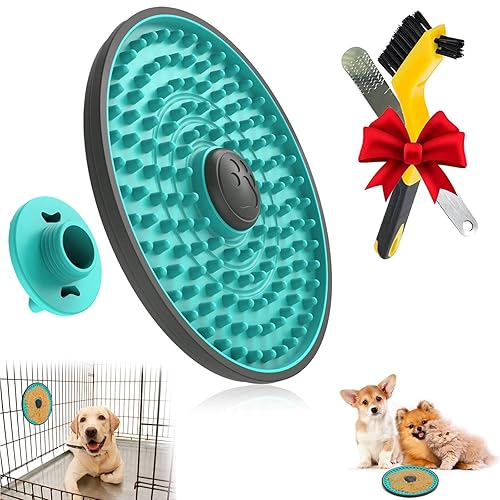 Best for calm chewing in the crateTPR Food Grade Silicone, Fits 1.2-2.4in Bar Spacing, for Collapsible &View on Amazon
- 5
 Best for a quick referenceADULT DOG TRAINING ESSENTIALS: MADE SIMPLEView on Amazon
- 6
 Best for positive reinforcementThe Positive Reinforcement Guide for Puppy Training: Step-by-Step ObedView on Amazon
- 7
 Best for long-term obedienceAdult Dog Training Through Positive Reinforcement: Learn the EssentialView on Amazon
Our Top Picks
| Product | Best for | Key feature |
|---|---|---|
| Adult Dog Training: The 30-Day Reset | Undoing habits in an adopted adult dog | Structured 15-minute daily sessions |
| Your Rescue Dog’s First 30 Days | Settling a new rescue into the home | Day-by-day home routines |
| Crate Training Puppies | Step-by-step crate introduction | Crate-focused method |
| TPR Food Grade Silicone Lick Mat | Keeping a dog occupied in the crate | Food-safe silicone, fits common bar spacing |
| Adult Dog Training Essentials | Quick reference for core skills | Concise, easy-to-scan format |
| The Positive Reinforcement Guide for Puppy Training | Reward-based crate and potty work | Covers crate and potty training together |
| Adult Dog Training Through Positive Reinforcement | Long-term obedience and manners | Skill-building from adult to senior |
Adult Dog Training: The 30-Day Reset – Undo Bad Habits, Build Trust, and Retrain the Adopted or Grown-Up Dog You Already Have in 15 Minutes a Day, No Puppy Required
Adult Dog Training: The 30-Day Reset — Undo Bad Habits, Build Trust, and Retrain the Adopted or Grown-Up Dog You Already Have in 15 Minutes a Day, No Puppy Required
Best for: Undoing habits in an adopted adult dog
This book is aimed at owners whose dog arrived as an adult and already has established habits. Its 30-day structure suits people who want a clear schedule rather than open-ended advice.
Key specs
- Format: book, 30-day plan
- Session length: about 15 minutes per day, per the listing
- Audience: adopted or adult dogs, no puppy required
Pros
- Clear daily structure that is easy to follow
- Addresses retraining rather than only puppy basics
- Short sessions suit busy households
Cons
- Thirty days may feel fast for a fearful rescue
- Crate content is not the main focus
Bottom line: A strong pick for owners who want a structured reset for an adult dog and are comfortable pacing the plan to their dog’s progress.
Your Rescue Dog’s First 30 Days: A Day-by-Day Home Guide to Settling, Bonding, and Building Calm Routines (Rescue Home Series Book 1)
Your Rescue Dog's First 30 Days: A Day-by-Day Home Guide to Settling, Bonding, and Building Calm Routines (No Fancy Training Degrees Required) (Rescue Home Series Book 1)
Best for: Settling a new rescue into the home
Written for the first weeks after adoption, this guide suits owners who need help with routines, bonding and calm behavior before formal training begins.
Key specs
- Format: book, day-by-day structure
- Series: Rescue Home Series, Book 1
- Focus: first 30 days after adoption
Pros
- Practical daily routines for new rescues
- Emphasizes decompression and trust-building
- Useful groundwork before crate work begins
Cons
- Less detail on crate-specific steps
- Written for the first month, so long-term needs require another resource
Bottom line: Best for owners bringing home a rescue who want a settling plan first, with crate training built in afterward.
Crate Training Puppies: Learn How to Crate Train Your Dog the Fast and Easy Way (Dog Training)
Crate Training Puppies: Learn How to Crate Train Your Dog the Fast and Easy Way (Dog Training)
Best for: Step-by-step crate introduction
Despite its title, the method here applies to any dog that needs to learn to settle in a crate. It suits owners who want a crate-focused walkthrough.
Key specs
- Format: book
- Focus: crate introduction and routine
Pros
- Crate-specific focus
- Straightforward, step-by-step format
- Easy to adapt for adult dogs
Cons
- Title centers on puppies, so adult rescue advice is limited
- Less guidance on fearful or reactive dogs
Bottom line: A good crate-first resource for owners who want the crate steps clearly laid out and are willing to adjust the pace for an adult.
TPR Food Grade Silicone, Fits 1.2-2.4in Bar Spacing, for Collapsible & Standard Wire Crates, Includes Brush & Spoon Lick Mat for Dogs Crate Lick Pad Slow Feeder for Crate Training
TPR Food Grade Silicone, Fits 1.2-2.4in Bar Spacing, for Collapsible & Standard Wire Crates, Includes Brush & Spoon Lick Mat for Dogs Crate Lick Pad Slow Feeder for Crate Training
Best for: Keeping a dog occupied in the crate
A lick mat gives a rescue something calm to work on while in the crate, which can help build positive associations with confinement.
Key specs
- Material: TPR food-grade silicone
- Fits bar spacing of 1.2 to 2.4 inches, per the listing
- Compatible with collapsible and standard wire crates
- Includes brush and spoon
Pros
- Slows eating and provides a calming chew activity
- Fits a range of wire crate bar spacings
- Includes tools for spreading food
Cons
- Not suitable for dogs who ignore food or stress-eat unpredictably
- Should be supervised with dogs that chew or try to swallow pieces
Bottom line: Useful for owners who want a food-based enrichment tool for crate time. Check the bar spacing against your crate before buying.
ADULT DOG TRAINING ESSENTIALS: MADE SIMPLE
ADULT DOG TRAINING ESSENTIALS: MADE SIMPLE
Best for: Quick reference for core skills
This title suits owners who prefer concise, scannable material over long narrative chapters.
Key specs
- Format: book
- Focus: core adult dog training skills
Pros
- Concise and easy to scan
- Covers foundational skills for adult dogs
- Good companion to a longer guide
Cons
- Less depth on individual problems
- Limited detail on crate training specifically
Bottom line: A practical reference for owners who want the basics in short form and plan to pair it with a crate-focused resource.
The Positive Reinforcement Guide for Puppy Training: Step-by-Step Obedience, Socialization, Crate and Potty Training Every Paw Parent Needs to Raise a Well-Behaved Dog from 8 Weeks to Adult
The Positive Reinforcement Guide for Puppy Training: Step-by-Step Obedience, Socialization, Crate and Potty Training Every Paw Parent Needs to Raise a Well-Behaved Dog from 8 Weeks to Adult
Best for: Reward-based crate and potty work
This guide covers crate and potty training alongside obedience and socialization, using a reward-based approach that many owners of rescues prefer.
Key specs
- Format: book
- Topics: obedience, socialization, crate and potty training
- Method: positive reinforcement
Pros
- Covers crate and potty training in one place
- Reward-based method suits sensitive dogs
- Broad scope from puppyhood into adulthood
Cons
- Written with puppies as the main audience
- Adult rescues may need extra pacing
Bottom line: A good all-round choice for owners who want crate and potty help together with a reward-based approach, adapted to an adult dog.
Adult Dog Training Through Positive Reinforcement: Learn the Essential Skills Needed to Shape an Obedient and Well-Behaved Dog (From Smart Puppy to Wise Old Dog)
Adult Dog Training Through Positive Reinforcement: Learn the Essential Skills Needed to Shape an Obedient and Well-Behaved Dog (From Smart Puppy to Wise Old Dog)
Best for: Long-term obedience and manners
This book spans the adult life stage and suits owners who want to build lasting skills after the crate-training phase has settled.
Key specs
- Format: book
- Method: positive reinforcement
- Scope: adult through senior dogs
Pros
- Clear focus on adult dogs
- Builds obedience skills that support crate work
- Reward-based approach
Cons
- Crate training is a secondary topic
- Advanced skills may be too much during the first weeks
Bottom line: A strong long-term companion for owners who plan to continue training after the crate routine is in place.
Buying Guide
Adult-specific content
Choose resources that address adult or rescue dogs directly. Puppy-focused books can still help, but expect to adjust the pacing and expectations for an adult with an unknown history.
Good picks for this: Adult Dog Training: The 30-Day Reset; Adult Dog Training Through Positive Reinforcement
Crate-specific steps
Look for a clear sequence: introducing the crate, feeding inside it, short closed-door sessions and gradually longer absences. Vague advice like “just put them in the crate” is not enough for a nervous rescue.
Good picks for this: Crate Training Puppies; The Positive Reinforcement Guide for Puppy Training
Settling and decompression
Many rescues need several days to weeks before they relax in a new home. Resources that cover routines, bonding and calm behavior help set up the crate work that follows.
Good picks for this: Your Rescue Dog’s First 30 Days
Crate enrichment and chewing
Food-based enrichment can make crate time more pleasant. Check that any lick mat or chew fits your crate’s bar spacing and suits your dog’s chewing style, and always supervise.
Good picks for this: TPR Food Grade Silicone Lick Mat
Format and quick reference
Some owners prefer a long narrative; others want a concise guide they can flip through during a training session. Choose the format that you will actually use.
Good picks for this: Adult Dog Training Essentials: Made Simple
Method and reward style
Reward-based methods are widely recommended for sensitive or fearful dogs. Check that the resource describes its method clearly before committing.
Good picks for this: The Positive Reinforcement Guide for Puppy Training; Adult Dog Training Through Positive Reinforcement
Long-term goals
Crate training is one stage of a longer relationship. If you plan to build obedience and manners over years, pick a resource that covers the full adult life stage.
Good picks for this: Adult Dog Training Through Positive Reinforcement; Adult Dog Training: The 30-Day Reset
FAQ
How long does crate training an adult rescue dog take?
There is no fixed timeline. Many adult rescues need several weeks of gradual, positive exposure before they settle in a crate for longer periods. Progress depends on the dog’s history, anxiety level and consistency. If your dog shows severe distress, consult a veterinarian or a certified professional trainer.
Should I use a crate for an adult rescue who is afraid of confinement?
Go slowly. Leave the door open at first, feed meals inside, and keep sessions short. If the dog panics, back up to an earlier step. Consult a veterinary behaviorist or a qualified professional for significant fear.
Can an older dog learn crate training?
Yes, many adult dogs learn to accept a crate, though it may take more time than with a puppy. Consistency and reward-based steps help most.
How long can an adult dog stay in a crate?
Adult dogs should not be crated for long stretches during the day. Crate time should be paired with exercise, potty breaks and social time. Plan breaks according to your dog’s age, health and bladder control.
Is a lick mat safe to use in a crate?
Food-safe silicone mats can be a useful enrichment tool when supervised. Remove the mat if the dog chews or swallows pieces, and check that it fits your crate’s bar spacing.
What if my rescue whines or barks in the crate?
Some vocalizing is common early on. Do not reward whining with release, and wait for a moment of calm before opening the door. If barking persists or the dog seems in distress, consult a qualified professional.
Conclusion
For most owners, the best starting point is a resource that addresses adult or rescue dogs directly, such as Adult Dog Training: The 30-Day Reset, paired with a settling guide if the dog has just arrived. Owners focused on crate steps may prefer Crate Training Puppies, and a food-based enrichment tool like the TPR Food Grade Silicone Lick Mat can make crate time more pleasant when used with supervision. Choose the combination that matches your dog’s stage and your daily schedule.
Sources
- General guidance on crate training, housetraining and adopting adult dogs (akc.org)
- Position statements from veterinary behaviorists on fear, anxiety and confinement in dogs
- Product safety information for pet crates and enclosures (cpsc.gov)
Related reading
- Crate Training Rescue Dogs: A Step-by-Step Guide for New Owners
- Adult Dog Crate Training: A Step-by-Step Plan That Works
- Wire Crate for Dog: 7 Best Picks for Home, Training and Travel
About Caleb Morgan
Caleb Morgan is part of our editorial team and reviews and edits our dogs & puppies guides, checking product details against manufacturer specifications and owner feedback.