 By Audrey Hayes
Updated November 2026
If your dog won’t stop barking in crate, the fix usually comes down to one of three things: the crate isn’t set up to feel safe, your dog’s needs aren’t being met before crate time, or the training moved faster than your dog could keep up. This guide walks through how to find the cause and apply a calm, step-by-step plan so the barking fades over one to three weeks for most dogs.
Find Out Why Your Dog Is Barking
Barking has a purpose, and the pattern tells you what that purpose is. Barking that starts the moment you leave the room often points to separation distress. Barking that comes in bursts after a few minutes, then stops, often means your dog is asking for attention or wants out. Barking right after a potty break or a meal can mean your dog still needs to eliminate or is simply excited. Track when it starts, how long it lasts and what happens right before. That record will do more for you than guessing.
Shopping for one? See our guide: 7 Best Crate Training Dog Barking Tools for a Quieter Home (2026).
Set Up the Crate So It Feels Safe
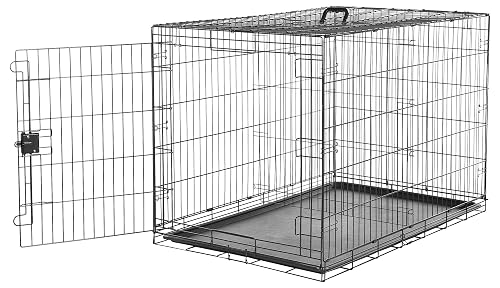
A crate that’s too big, too exposed or too close to a noisy door can make a dog feel unsettled. Check these basics:
- The crate is just big enough for your dog to stand, turn around and lie down stretched out. A crate that’s too large can invite a dog to use one corner as a bathroom.
- A covered or partially covered side reduces visual triggers like passing people and pets.
- A comfortable bed and a chew your dog can handle sit inside, with no loose bedding that can be pulled apart.
- The crate sits in a quiet area of the home, not in a hallway where every sound sets off a reaction.
For sizing details, see XL Dog Crate Dimensions: How to Measure and Choose the Right Size (2026).
Meet Needs Before Crate Time
Many dogs bark in a crate because they’re bored, under-exercised or need to go outside. Before each crate session, aim for:
- A potty break within the last 10 to 15 minutes.
- Physical exercise such as a walk or fetch session.
- A short mental task, like a food puzzle or a stuffed chew, given at the start of crate time.
Puppies generally need a potty break about every one to two hours during the day, so that schedule matters more than any training trick. Dogs over a year old who are still barking often have more capacity to hold it, so bored or lonely barking is more likely.
Retrain the Crate in Small Steps
If the barking started after you moved too fast, go back a step. Keep sessions short and build up gradually:
- Toss a treat into the crate and let your dog walk in and out without closing the door.
- Feed meals inside the crate with the door open.
- Close the door for a few seconds while your dog eats, then open it before any fussing starts.
- Extend the time by a few seconds or a minute at a time, stepping back if barking begins.
- Practice leaving the room briefly, returning before barking starts, and increasing the gap slowly.
Stay calm when you come back. Let your dog out when they’re quiet, not while they’re barking, so the lesson is that quiet earns the door opening. For a fuller plan, read Crate Training for Barking: A Step-by-Step Guide for Calmer Dogs.
Common Mistakes
- Letting the dog out as soon as barking starts, which teaches that barking works.
- Scolding or yelling, which often raises anxiety and can make the barking louder.
- Using the crate for hours before your dog is ready for that length of time.
- Changing several things at once, such as the bed, the location and the schedule, so you can’t tell what helped.
- Ignoring possible medical causes like pain, urinary discomfort or hearing changes in older dogs.
Recommended gear
A covered crate cover can reduce visual triggers and make the space feel more enclosed and calm for many dogs. View on Amazon
Puzzle feeders and stuffable chew toys give a dog something to work on during crate time, which often reduces boredom barking. View on Amazon
A snug, washable crate pad gives a comfortable resting spot without loose bedding a dog could chew or pull apart. View on Amazon
FAQ
How long should it take for barking to stop?
Many dogs improve within one to three weeks of consistent, gradual retraining. Dogs with significant separation anxiety may need longer and benefit from professional help.
Should I cover the crate to stop barking?
A partial cover can help some dogs feel more secure by reducing visual triggers. Make sure airflow stays good and that the cover is secured so it can’t be pulled inside.
When should I talk to a vet or trainer?
If barking comes with pacing, drooling, self-injury, accidents in the crate or sudden changes in behavior, consult your veterinarian. A certified trainer or behaviorist can help if barking persists after several weeks of structured work.
Conclusion
When your dog won’t stop barking in crate, work through the cause first: check the setup, meet basic needs before crate time and retrain in small, calm steps. Consistency and patience matter more than any single tool. Most dogs settle once the crate feels predictable and safe.
Related reading
- When to Stop Crate Training: 5 Signs Your Dog Is Ready (2026)
- Dog Whine in Crate: Why It Happens and How to Stop It Fast
Ready to choose one?
About Audrey Hayes
Audrey Hayes is part of our editorial team and reviews and edits our dogs & puppies guides, checking product details against manufacturer specifications and owner feedback.