 By Caleb Morgan
Updated November 2026
A training collar for puppy use can help you give clear, consistent cues, but only when it is fitted correctly and introduced slowly. This guide walks you through choosing the right collar type, getting your puppy comfortable wearing it, and using it for basic training without causing fear or discomfort. Most puppies need several weeks of gentle practice before a collar becomes a useful training tool.
Choose the Right Type of Collar for Your Puppy
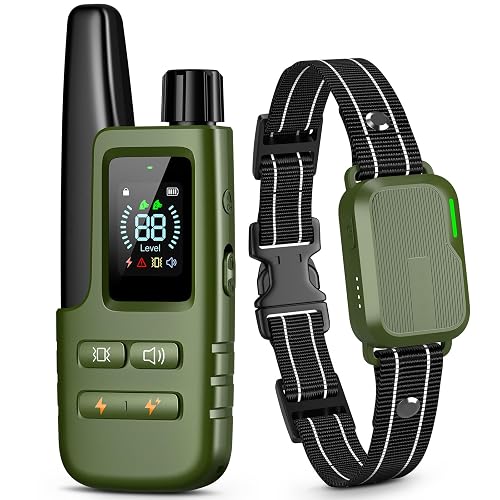
Puppies are small and still growing, so the collar you pick matters. A flat buckle or martingale collar is the most common starting point for collar training a puppy, because it gives you control without tightening sharply around the neck. Avoid prong collars and electronic collars for young puppies; the American Kennel Club and most veterinary behaviorists advise against them for dogs still in the early stages of training. Check with your veterinarian or a certified trainer before using any collar that delivers corrections.
Shopping for one? See our guide: Crate Training vs Playpen (2026): Which Is Better for Your Puppy?.
Measure Correctly
Measure your puppy’s neck where the collar will sit, usually just behind the ears. Slide two fingers under the collar. If you cannot fit two fingers comfortably, it is too tight. If you can slide in more than three, it is too loose and the puppy may slip out of it.
Introduce the Collar Gradually
Many puppies react to a new collar by scratching, rolling, or freezing. That reaction is normal and usually fades within a few days. Your goal is to make the collar a neutral, then positive, part of the day.
- Put the collar on for 5 minutes while you play or offer a chew, then take it off.
- Repeat several times a day, gradually increasing wear time by 5 to 10 minutes each session.
- Once your puppy wears it for an hour without fussing, start clipping on a lightweight leash indoors.
- Only add training cues after the puppy ignores the collar during normal activity.
Use the Collar for Basic Cues
Collar training a puppy works best when you pair it with rewards and simple, consistent words. Use the leash for gentle guidance, not for pulling or yanking. When your puppy sits, comes, or walks beside you, mark the behavior with a word like “yes” and give a treat right away. Keep sessions to 3 to 5 minutes, two or three times a day, because puppies lose focus quickly.
Recommended gear
- Puppy-sized flat buckle collar: A simple, adjustable collar is the easiest way to start, and it is easy to check for fit as your puppy grows. View on Amazon
- Lightweight training leash: A short, thin leash lets you guide without tugging and keeps the puppy close during practice. View on Amazon
- Soft treat pouch: Keeping small rewards within reach makes it easy to mark good behavior quickly. View on Amazon
Common Mistakes to Avoid
- Leaving the collar on unsupervised, which can cause snagging on crates, furniture, or playpen bars.
- Forgetting to check fit weekly, since puppies can outgrow a collar in a matter of weeks.
- Jerking the leash when the puppy pulls, which teaches resistance rather than walking nicely.
- Skipping the gradual introduction and going straight to training sessions.
- Using a collar as a substitute for supervision or socialization.
For ideas on fitting training into your daily routine, see Schedule for Puppy Crate Training: A Step-by-Step Daily Plan and What Is Crate Training for Puppies? A Step-by-Step Beginner's Guide, which cover how short, regular sessions build good habits.
FAQ
What age can a puppy start wearing a training collar?
Most puppies can start wearing a flat buckle collar as early as 8 weeks, once they are settled in their new home. Training with a leash can begin soon after, as long as sessions are short and positive.
How long should a puppy wear a collar each day?
There is no single rule, but many owners keep a lightweight collar on during supervised time and remove it at night and during crate rest. Always check the skin under the collar when you remove it.
Is it safe to leave a collar on a puppy all the time?
Leaving a properly fitted collar on a puppy is common, but it should not be left on unsupervised. Ask your veterinarian if you notice redness, hair loss, or irritation.
Conclusion
A well-fitted collar, introduced slowly, can support clear communication during puppy training. Focus on comfort, short sessions, and plenty of rewards, and your puppy will learn to respond calmly. Recheck the fit often, and consult your veterinarian or a certified trainer with any concerns about your puppy’s health or behavior.
Related reading
Ready to choose one?
About Caleb Morgan
Caleb Morgan is part of our editorial team and reviews and edits our dogs & puppies guides, checking product details against manufacturer specifications and owner feedback.