 By Owen Palmer
Updated November 2026
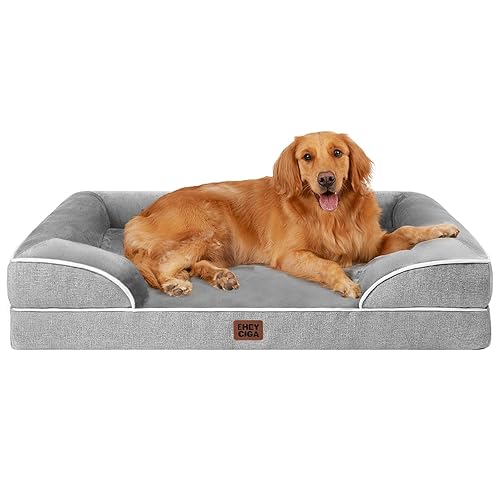
An orthopedic foam bed dog owners buy is usually a thick, dense foam base designed to cushion joints and support aging or arthritic dogs. A standard foam bed is thinner and softer, aimed more at general lounging than at pressure relief. For most healthy adult dogs, a standard foam bed is enough; for seniors, large breeds, or dogs with joint pain, the orthopedic version is usually the better pick.
| Criteria | Orthopedic foam bed | Standard foam bed |
|---|---|---|
| Foam thickness | 3 to 6 inches, often memory or high-density foam | 1 to 2 inches, usually standard polyfoam |
| Pressure relief | Contours to hips, elbows and spine | Limited contouring |
| Best for | Seniors, arthritis, large breeds | Young, active or lightweight dogs |
| Chew and wear resistance | Often has a removable, washable cover | Usually simpler covers |
| Ease of cleaning | Denser foam can hold odor if not covered well | Lighter and easier to air out |
Joint Support and Pressure Relief
An orthopedic foam bed dog products are built around pressure relief, and this is their strongest advantage. Thick, supportive foam lets the hips, shoulders and elbows sink in slightly while the spine stays aligned. Winner: orthopedic foam bed. A standard foam bed offers some cushioning but tends to compress quickly under a heavier dog.
Firmness and Fit for Your Dog
Firmness matters more than most owners expect. A dog that sleeps on its side with legs stretched out usually needs a firmer, flatter surface, while curled-up sleepers often do well with a softer, deeper bed. Winner: depends on sleep style, but orthopedic foam gives more adjustable support. Manufacturers often list a weight range; match it to your dog’s current weight, not its puppy weight.
Durability and Everyday Care
Thicker foam generally holds its shape longer, which is valuable if your dog sleeps on the same spot every night. Many orthopedic models include a removable, machine-washable cover, which makes accidents and shedding easier to manage. Winner: orthopedic foam bed for longevity, standard foam bed for easy airing out. Check whether the cover zips off fully before buying.
Price and Value Considerations
Standard foam beds are the budget-friendly choice and suit a dog that mostly naps on the couch or in a crate. Orthopedic models are a premium option, and their value shows over time if your dog has joint problems. Winner: standard foam for budget buyers, orthopedic foam for dogs with medical needs.
Pros & Cons
Orthopedic Foam Bed
- Pro: Deep, contouring support that eases pressure on joints.
- Pro: Holds its shape well over years of use.
- Con: Heavier and bulkier, so harder to move or wash.
Standard Foam Bed
- Pro: Lighter, easier to clean and carry.
- Pro: Lower-cost entry point for a first bed.
- Con: Flattens quickly and offers little joint support.
Which Should You Choose?
- Choose an orthopedic foam bed if your dog is a senior, has arthritis, or is a large breed prone to joint strain. Look at the View on Amazon category for deep, supportive models.
- Choose a standard foam bed if your dog is young, active, or small and mostly lounges. A View on Amazon option gives comfort without the bulk.
For a deeper look at fit and sizing, see Orthopedic Dog Bed with Memory Foam: How to Choose the Right One and Pet Beds for Dogs: 6 Factors to Check Before You Buy (2026).
FAQ
Is an orthopedic foam bed dog really necessary for every dog?
No. Healthy adult dogs often do fine on standard foam. Orthopedic support is most useful for seniors, dogs with arthritis, or large breeds. If your dog has a diagnosed joint condition, consult your veterinarian about the right bedding.
How thick should orthopedic foam be?
Most orthopedic beds use 3 to 6 inches of foam. Thicker is not always better; a dog that is small or light may feel sunk in too deeply on very thick foam.
Can I use a foam bed on the floor or in a crate?
Yes, but keep it slightly smaller than the crate floor so it stays put and does not bunch up. See Dog Beds for Crate Training: 6 Best Picks for Every Need (2026) for crate-specific options.
Conclusion
An orthopedic foam bed dog choice is the better pick for seniors, arthritic dogs and large breeds that need pressure relief. Younger or lighter dogs that mostly nap will be well served by a standard foam bed. Match the bed to your dog’s age, size and joint health for the best results.
Related reading
- Orthopedic Bed for Dog: How to Choose the Right One (2026)
- Orthopaedic Memory Foam Dog Bed: How to Choose the Right One (2026)
- Memory Foam Dog Bed: How to Choose the Right One for Your Dog (2026)
About Owen Palmer
Owen Palmer is part of our editorial team and reviews and edits our dogs & puppies guides, checking product details against manufacturer specifications and owner feedback.