 By Audrey Hayes
Updated November 2026
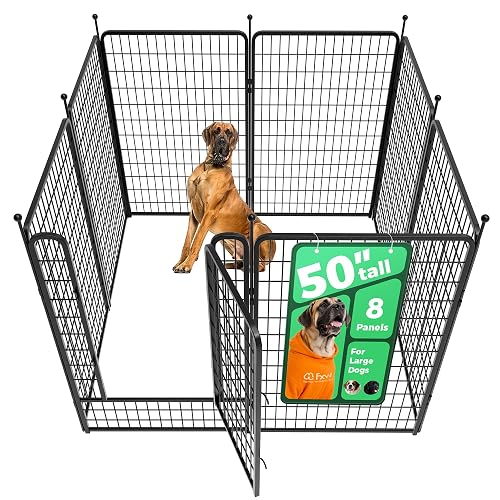
A tespo dog playpen portable large plastic yard fence is a freestanding, foldable enclosure that gives your dog a safe, contained space indoors or outdoors. This guide walks you through sizing the pen, setting it up on different surfaces, and keeping your puppy or dog inside it safely. Check the manufacturer’s instructions for your specific model before you assemble it.
Step 1: Measure Your Dog and Your Space
Start with the dog, not the product. Measure your dog from nose to base of tail to get a sense of length, and measure height at the shoulder. Most owners aim for a pen where the dog can stand, turn around and lie down stretched out without touching the walls, though a puppy will need room to grow. For another angle, check out Paws & Pals Heavy Duty Portable Wire Dog Playpen Review: Is It Worth It?.
Shopping for one? See our guide: 4 Best Pop Up Dog Playpen Options for Indoor and Outdoor Use.
Next, measure the area where the playpen will go. Leave at least 2 to 3 feet of clearance around the pen so you can open a door or step over a panel easily. If you plan to use the pen outdoors, check that the ground is level and free of sharp stones or debris.
Step 2: Assemble and Check the Panels
Lay out all panels before you start connecting them. Plastic panels are typically joined with clips, pins or interlocking tabs, so follow the sequence in the manual. Once assembled, push on each panel firmly to confirm the joints hold and nothing wobbles.
- Unpack all panels and hardware, and count them against the manual.
- Connect panels in order, keeping the door panel accessible.
- Tighten or lock every joint until it clicks or sits flush.
- Walk around the outside and push each panel to test stability.
- Check that the door latches securely and cannot be pushed open by a leaning dog.
Step 3: Secure the Pen for Indoor and Outdoor Use
Indoors, a large plastic pen can slide on hard floors, especially when a dog leans or jumps against it. Place a non-slip mat underneath, or use the anchoring points if your model includes them. Keep the pen away from heaters, radiators and electrical cords.
Outdoors, wind and digging are the main concerns. Stake or weigh down the base according to the manufacturer’s guidance. Provide shade and fresh water, and never leave a puppy unattended in the yard for long periods. Heat can build up quickly inside a plastic enclosure, so monitor temperatures closely in warm weather.
Step 4: Introduce Your Dog to the Pen Gradually
Dogs usually accept a pen faster when it is linked to good experiences. Place a bed, a chew toy and a water bowl inside, leave the door open, and let your dog explore at its own pace. Short sessions of 10 to 15 minutes work well at first, and you can extend them as your dog settles.
For more setup ideas, see What to Put in Dog Playpen: A Step-by-Step Setup Guide for Puppies. If you are comparing plastic and metal options, Plastic vs Wire Dog Playpen: Which Is Better for Your Puppy? (2026) covers the trade-offs in detail.
Tespo Dog Playpen Portable Large Plastic Yard Fence: Common Mistakes
- Buying for a puppy’s current size only, then outgrowing the pen within months.
- Skipping the stability check, which can lead to panels tipping or separating.
- Leaving the pen in direct sun without shade or ventilation.
- Placing the pen where a dog can chew on panel edges or reach loose parts.
- Assuming a portable pen is escape-proof; supervise initial use closely.
Recommended Gear
A non-slip mat helps keep the pen from shifting on hard floors indoors. View on Amazon
Ground stakes or anchor kits can keep an outdoor pen steady in wind. View on Amazon
A washable pet bed fits most pen floors and makes the space more comfortable. View on Amazon
FAQ
Is a plastic playpen strong enough for a large dog?
Strength depends on the specific model, panel thickness and how the joints lock. Check the manufacturer’s weight and size guidance, and watch your dog for chewing or pushing behavior during the first few weeks.
Can I leave my dog in the pen all day?
A playpen is best for short periods with supervision and access to water and a comfortable resting area. Dogs need regular exercise, bathroom breaks and social time, so a pen should not replace those needs. Consult a veterinarian or certified trainer for a schedule suited to your dog’s age and health.
How do I clean a plastic playpen?
Wipe panels with a mild pet-safe cleaner and rinse well, then let them dry completely before your dog returns. Check joints and clips during cleaning for dirt buildup or loosening.
Conclusion
A well-chosen tespo dog playpen portable large plastic yard fence can give your dog a secure space when you cannot supervise directly. Measure carefully, assemble and anchor the pen properly, and introduce it gradually with positive experiences. Regular checks of the panels and joints will keep it safe for the long run.
Related reading
Ready to choose one?
About Audrey Hayes
Audrey Hayes is part of our editorial team and reviews and edits our dogs & puppies guides, checking product details against manufacturer specifications and owner feedback.